

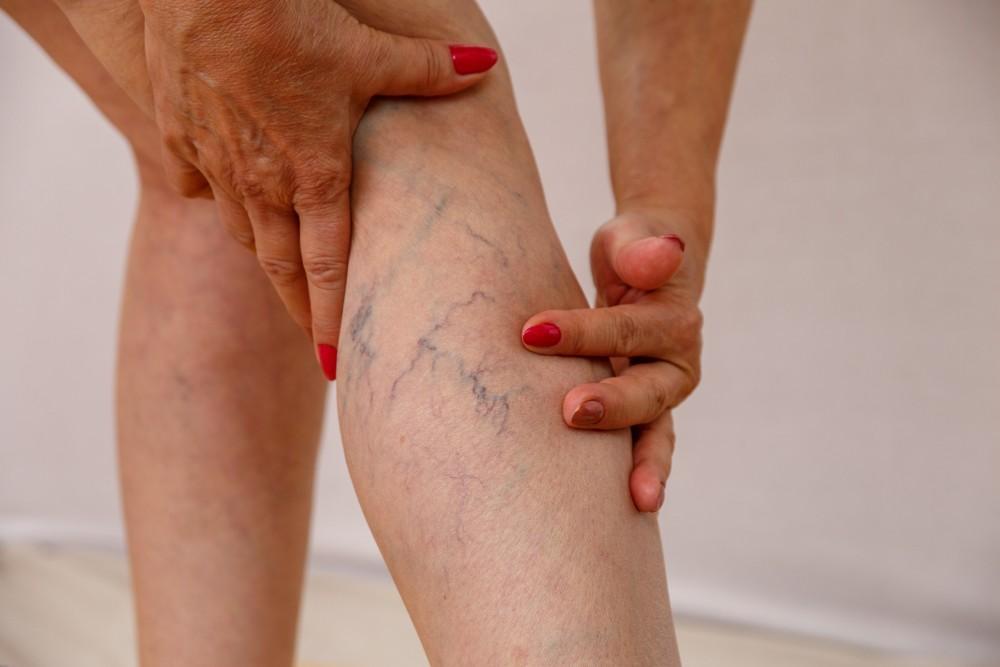
Varicose veins affect millions of people in the United States, causing discomfort, pain, and cosmetic concerns. These enlarged, twisted veins typically appear on the legs and can significantly impact quality of life. Varithena is an FDA-approved procedure that uses a specialized foam to close problematic veins, allowing blood to reroute through healthier pathways. Understanding this treatment option can help patients make informed decisions about their vascular health.
What Is Varithena?
Varithena is a prescription medicine that contains polidocanol. This sclerosing agent comes in the form of a microfoam that physicians inject directly into affected varicose veins. The foam works by causing the vein walls to collapse and seal shut, effectively removing the problematic vein from circulation.
The treatment’s microfoam formula allows for enhanced contact with the vein wall. This contact improves treatment efficacy while using smaller volumes of medication. The foam consistency also enables it to displace blood more effectively within the vein.
What Does It Treat?
Varithena specifically targets varicose veins in the great saphenous vein system. This includes the main trunk of the great saphenous vein, its tributaries, and visible surface varicosities connected to this system. The treatment addresses both the underlying venous insufficiency and the cosmetic appearance of visible varicose veins.
Patients with symptoms such as aching, throbbing, heaviness, fatigue, and leg swelling may benefit from Varithena treatment. The procedure also addresses cosmetic concerns related to visible varicose veins. The treatment is particularly effective for patients who have not responded well to conservative measures such as compression stockings, elevation, and lifestyle modifications.
What Does the Process Involve?
Treatment begins with a comprehensive evaluation by a qualified vascular specialist. During this initial consultation, the physician performs a physical examination and may order ultrasound imaging to map the affected veins and plan the treatment approach. On the treatment day, the physician uses ultrasound guidance to identify the target veins. The physician then inserts a small catheter or needle into the affected vein.
The Varithena microfoam is prepared and injected through the catheter into the target vein. Compression may be applied to the treatment area during injection to improve foam contact with the vein wall. The duration of the procedure depends on the extent of the veins being treated. Following the injection, patients may receive compression stockings or bandages to wear for a specified period.
How Is Professional Treatment Beneficial?
Professional treatment offers several advantages over attempting to manage varicose veins through conservative measures alone. Trained vascular specialists have the expertise to properly evaluate venous insufficiency and determine appropriate treatment protocols. This medical knowledge optimizes treatment outcomes.
The minimally invasive nature of Varithena treatment means patients may experience less downtime compared to other procedures. Individuals may return to work and daily activities soon following the procedure. This rapid recovery allows patients to address their varicose vein concerns without significant lifestyle disruption.
Professional treatment also provides access to proper follow-up care and monitoring. Vascular specialists can assess treatment progress, address any concerns, and determine if further treatment is necessary. This ongoing medical supervision helps maintain results.
Consult a Specialist Today
Varithena offers an effective, minimally invasive option for treating varicose veins in the great saphenous vein system. The procedure combines sclerotherapy principles with advanced microfoam technology to deliver reliable results with minimal downtime. If you are experiencing symptoms related to varicose veins, consult with a vascular specialist to determine if this treatment is appropriate for your condition.

