

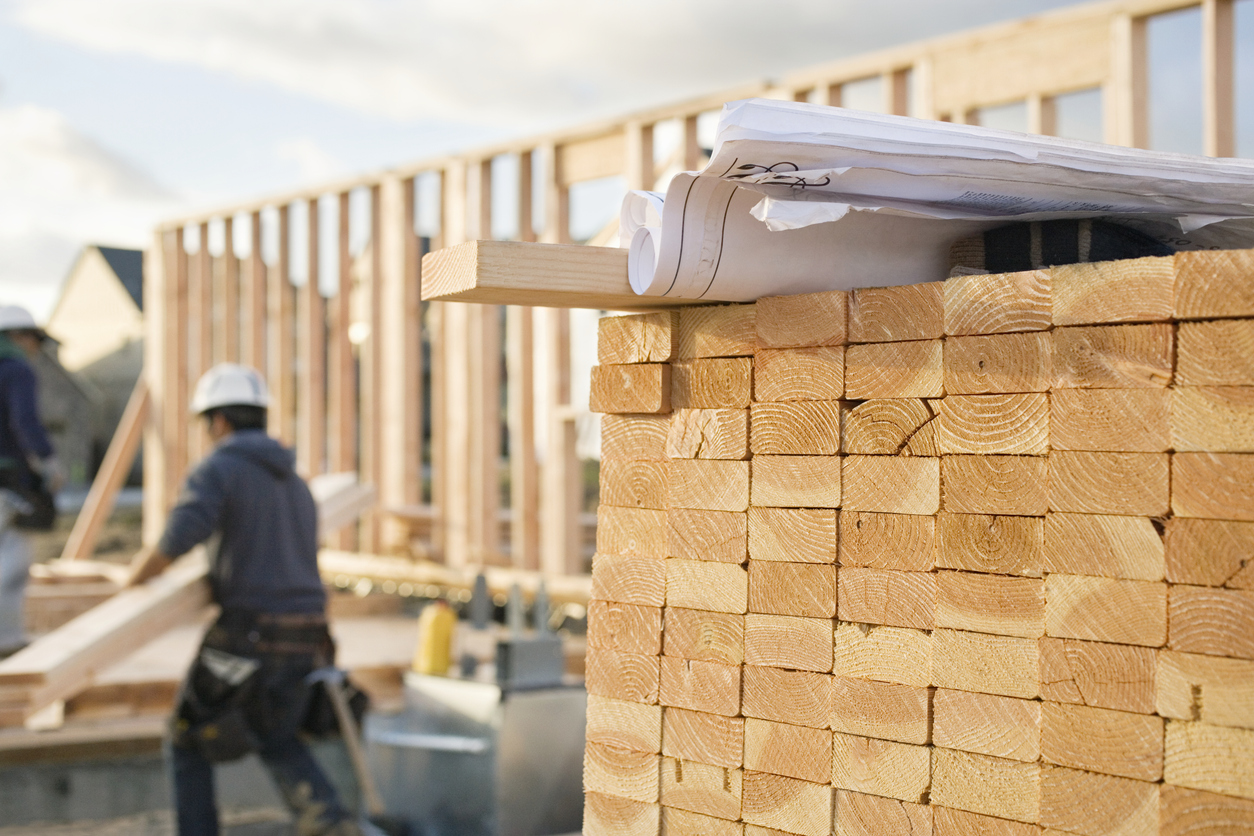
In the ever-evolving global of creation, performance isn’t only a buzzword—it’s a need. From constrained budgets to environmental worries, production groups are under increasing stress to limit waste. Every bag of unused cement, every misordered tile, and each ride to the landfill no longer costs money but also leaves a long-lasting environmental footprint. While some amount of waste can be inevitable on a building web page, the coolest news is that tons of it may be averted through better planning.
Construction waste is greater than simply leftover substances—it’s lost time, financial overruns, and overlooked opportunities. By rethinking how initiatives are deliberate and accomplished, contractors and developers can appreciably reduce their environmental effect even as also saving money. One of the handiest methods to cope with this issue begins properly before the first base is poured.
The Root of the Problem: Poor Project Planning
A massive percentage of construction waste stems from inadequate or inefficient planning. Whether it’s faulty blueprints, doubtful conversation amongst stakeholders, or uncoordinated scheduling, small missteps inside the planning segment can snowball into serious waste on web websites.
This is in particular true in large-scale initiatives which include high-rise building Construction, wherein even minor inefficiencies can lead to vast fabric surplus. The taller and extra complex the shape, the greater essential it is to align teams, timelines, and clothing desires from the beginning. Without a specific road map, there will be almost indispensable roadmaps, foreign rebuilding, and price delays.
Pre-Construction Planning: A Critical First Step
Everything starts at the drafting board. The pre-creation section is the foundation for achievement or failure. At this level, readability in architectural designs, realistic timelines, and detailed takeoffs (estimates of substances and quantities) are crucial. Teams that collaborate early and regularly can count on the ability to identify boundaries and mitigate mistakes before they arise.
Planners need to paint closely with architects, engineers, and providers to create accurate projections of material needs. Doing so allows one to keep away from immoderate ordering or underordering, both of which bring about waste. Making plans isn’t pretty much logistics—it’s approximately coordination, foresight, and precision.
Tech to the Rescue: Building Smarter with Digital Tools
Technology has transformed almost every industry, and creation is no exception. Digital gear consisting of Building Information Modelling (BIM) and a project management software program is revolutionising how tasks are designed and managed. With BIM, groups can locate layout conflicts, estimate material needs with accuracy, and reduce the need for rework—all earlier than breaking ground.
Beyond BIM, virtual takeoff gear permits teams to streamline making planning, ordering, and budgeting processes. Accurate records and visible modelling reduce guesswork and help production professionals avoid over-purchasing materials that ultimately end up as waste. For example, the platforms that track the supply level in real time can prevent double arrangement of the material and help teams make record -informed adjustments on the go.
Smart Procurement and Responsible Sourcing
A massive quantity of waste occurs not only on the production site, but also at some stage in procurement. Over-ordering, expedited transport, and terrible stock tracking all make contributions to surplus and expired substances, which can in no way be used.
Instead, companies should float towards the procurement strategies for bus-in-time-as good, that’s good when he wanted to. Partnerships with suppliers that embrace lasting practice can also help limit waste and emissions from transport. If you pick up specificity equipment or substances, it is a step in the right direction to consolidate consignment and interact on sustainable packaging options.
For example, those searching for Stainless Steel Plate for Sale have to consider providers who provide detailed fabric specifications and cutting offerings. This ensures that the simplest exact amount required is bought and fabricated, minimizing scrap and unused remnants.
Jobsite Management: Where Planning Meets Practice
Even the great planning won’t count if waste control is unnoticed on-site. Simple practices like organizing materials, defending them from climate harm, and securing them from robbery or loss can dramatically reduce waste levels. Furthermore, clear signage, certain garage areas, and waste sorting and packing containers make it less complicated for crews to observe protocols.
Recycling and reusing materials is another location of opportunity. Leftover wood, metal, or concrete can regularly be repurposed in future initiatives. Encouraging people to act sustainably doesn’t require principal shifts—simply constant reinforcement of correct conduct.
Compliance with Green Building Standards
The emergence of inexperienced building certificates such as LEED and BREEAM is a tremendous development for the construction industry. These requirements not only sell environmentally friendly materials; They emphasize responsible planning, green setup and ongoing waste control. Meeting those benchmarks is not only most effective in facilitating the planet but also can improve an agency’s public image and marketability.
Local guidelines also develop, which requires production agencies to satisfy strict waste management and recycling quota. Staying beyond these points through proactive planning will protect you from the writer and possible punishment at the last minute.
The Real-World Payoff of Reducing Waste
Reducing waste isn’t just about saving the environment—it’s about enhancing business effects. Less waste manners, fewer materials to shop for, fewer dumpsters to rent, and fewer hard work hours spent cleansing up. It additionally allows tighter budgets, faster venture timelines, and happier customers. Take the case of a mid-size residential contractor who implemented waste monitoring software throughout more than one website. Within one year, they suggested a 30% drop in waste disposal prices and a 20% reduction in fabric overages—all from higher forecasting and jobsite training.
Now imagine the ones numbers scaled to the dimensions of fundamental industrial tendencies or infrastructure tasks. The financial upside is difficult to disregard.
Conclusion: Building Better for the Future
In an industry recognised for its complexity and regular movement, waste can be experienced as an unavoidable part of the process. But with planning, smart generation, and a dedication to sustainable practices, construction waste may be dramatically decreased. From the workplace to the jobsite, each segment of a venture gives an opportunity to reduce excess and function more successfully.
As construction keeps to conform, the groups that prioritize thoughtful planning and sustainability won’t just be protecting their backside strains—they’ll be shaping the future of responsible building.

