

If you’ve ever finished a paint job only to notice peeling, uneven textures, or strange stains seeping through the fresh coat, you probably already realise the importance of wall prep. It’s the most underrated step in home DIY that should not be skipped.
So, before you even open that can of paint, take the time to learn the right way to clean, repair, and prime your walls. It’s what separates a polished, professional-looking finish from one that just looks sloppy and unclean.
Let’s break it down step by step so your next painting project can look good from day one.
Why Wall Preparation Matters
Think of painting your walls like skincare. You wouldn’t put makeup onto dirty, oily skin and expect flawless results, right? Paint works the same way.
Walls collect dust, grease, fingerprints, and even invisible residues from cooking or smoking. If you paint over all this grime, the paint may not stick evenly, leading to blotches, bubbling, or peeling. Proper prep gives you longer-lasting results, a smoother finish, and less wasted paint.
Step 1: Clear and Protect Your Space
Before you get into the nitty-gritty, remove as much furniture as possible and cover the rest with drop clothes or old sheets. It goes without saying that fixtures and decorations on walls need to come off as well.
Protect your floors with plastic sheeting or newspaper. You can also use painter’s tape to cover switches and outlets. It may feel like extra work, but it saves hours of cleanup later.
Step 2: Clean the Walls
Painting on a dirty wall will only give you worse results. One go-to cleaner for painters and DIY professionals is sugar soap because it cuts through grease, dirt, and stains in a way that regular soap and water can’t.
Despite the name, it doesn’t actually contain sugar. But it’s a powerful cleaning that removes all residue from walls. You can use a sponge or a cloth to scrub the walls after mixing it according to the instructions on the packaging.
Step 3: Repair Imperfections
Once your walls are clean, you might notice small dents, cracks, or holes that would’ve been hidden under grime. These imperfections can also affect the paint job and make it look not-so-clean.
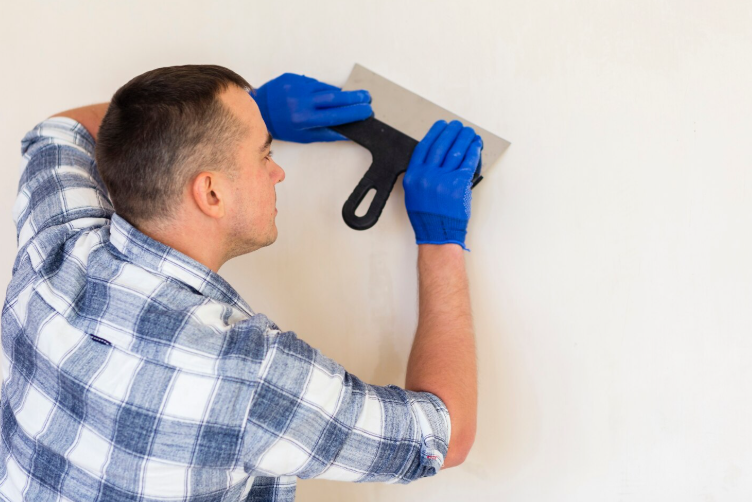
It’s best to tackle these minor imperfections using filler or spackle, then sand them smooth once dry. Even tiny cracks can ruin the look of a freshly painted wall if left untreated.
Step 4: Sand and Smooth
A light sanding across the whole wall helps create an even surface, especially if your walls were glossy or had old paint layers. Use fine-grit sandpaper and work gently.
Don’t forget to wipe away dust with a damp cloth afterwards.
Step 5: Prime the Walls
Primer is like a base coat for your walls. It seals porous surfaces, covers stains, and creates a uniform surface for the paint to grab onto.
This step may seem optional, but primer actually saves you money in the long run because you’ll need fewer coats of your chosen paint.

