

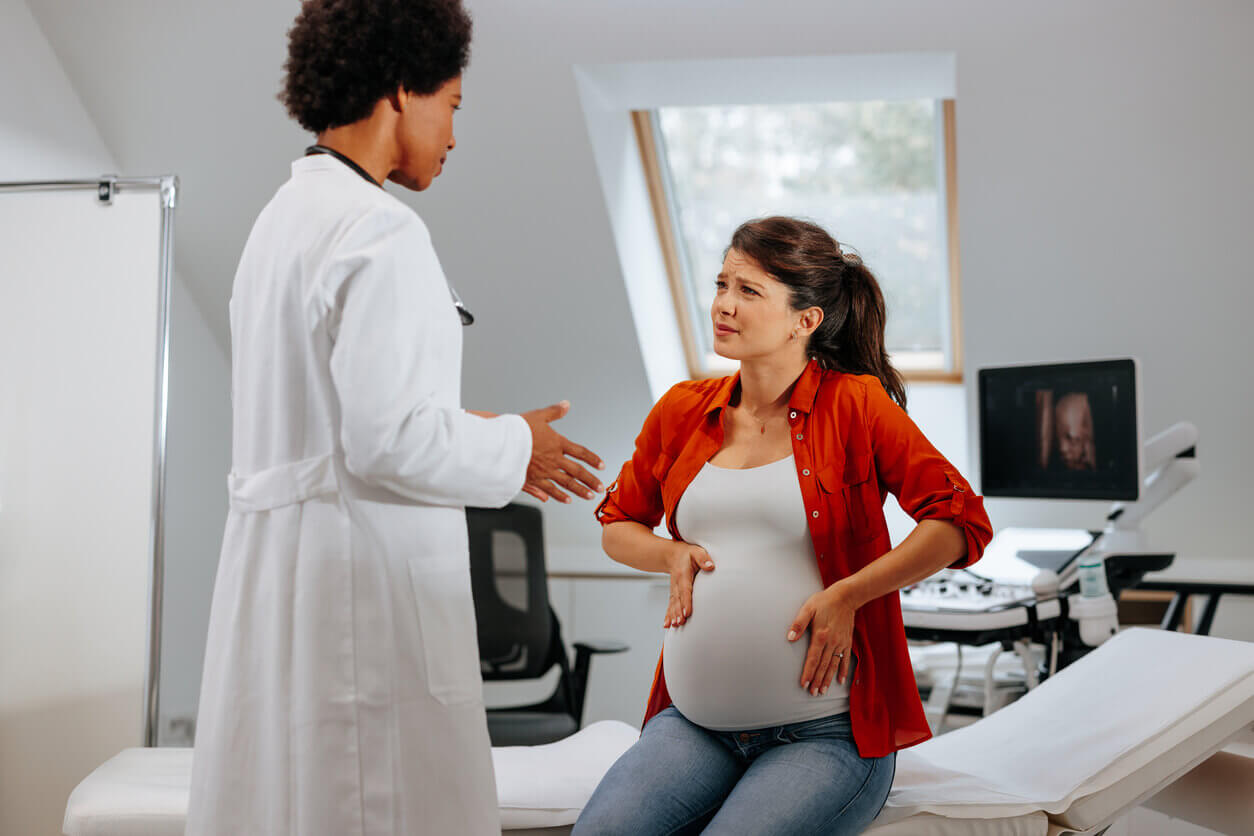
A high-risk pregnancy means there is a greater chance of complications that could affect the health of the pregnant person, the baby, or both. This can result from medical conditions, age factors, lifestyle habits, or complications that develop during the pregnancy itself. An OBGYN trained in managing high-risk cases provides specialized care and monitoring throughout the pregnancy. Common reasons for a high-risk label include diabetes, high blood pressure, autoimmune diseases, being over the age of 35, or carrying multiples. While the label may sound alarming, high-risk pregnancies are manageable with the right care plan. Early identification and consistent monitoring are key.
How Does an OBGYN Monitor a High-Risk Pregnancy?
An OBGYN will typically begin with a thorough medical history review and ongoing risk assessment. They may schedule more frequent prenatal visits than standard pregnancies. Additional testing such as ultrasounds, fetal monitoring, and blood work is often used to track the baby’s development and identify early signs of complications.
Depending on the condition, your OBGYN may consult with maternal-fetal medicine specialists or coordinate with other healthcare providers. They also pay close attention to weight gain, blood pressure trends, and lab results. Monitoring is customized based on the specific factors contributing to the high-risk designation.
What Conditions Increase the Risk of Pregnancy Complications?
Several chronic conditions increase the likelihood of a high-risk pregnancy. These include Type 1 or Type 2 diabetes, thyroid disorders, epilepsy, and cardiovascular disease. Infectious diseases like HIV or certain genetic conditions may also contribute. Lifestyle factors such as smoking, alcohol use, or poor nutrition can elevate risk levels. A previous pregnancy with complications like preterm labor or preeclampsia is another red flag.
Women expecting twins or triplets are automatically monitored more closely due to increased strain on the body and a higher likelihood of preterm birth. High-risk pregnancies often require more than just medical treatment. Emotional support is also a central part of care. Your OBGYN may recommend counseling, childbirth education classes tailored to high-risk conditions, or stress-reduction practices like prenatal yoga or mindfulness.
OBGYNs work with dietitians to help you manage blood sugar, blood pressure, or weight gain. If you’re on medication for a preexisting condition, your provider will help adjust dosages to keep both you and your baby safe. This team-based approach ensures you have a solid support system throughout your pregnancy.
How Can You Prepare for Labor and Delivery?
If you’re dealing with a high-risk pregnancy, your OBGYN will help you create a birth plan that includes backup options. This may involve scheduling an early delivery, planning a cesarean section, or making arrangements for a hospital with a neonatal intensive care unit.
Understanding your options ahead of time reduces anxiety and allows you to feel more in control of the experience. Your provider may also recommend pelvic rest or activity restrictions in the weeks leading up to delivery. Managing expectations helps reduce stress as your due date approaches. Communication and planning are key.
Ready To Talk to an Expert About High-Risk Pregnancy Care?
If you’re facing a high-risk pregnancy, finding a qualified OBGYN is the first step toward a safe and supported journey. Their expertise and ongoing care can help manage risks while promoting a healthy outcome for you and your baby.

