

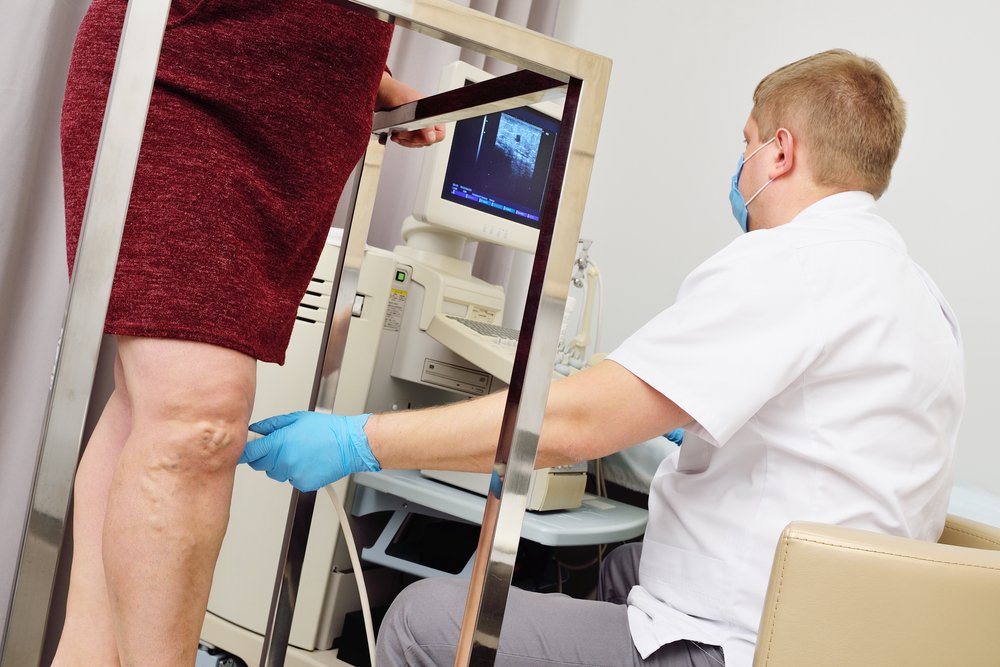
Vascular health affects circulation throughout the body, influencing comfort, mobility, and day-to-day function. When issues arise, patients often face a mix of symptoms, test results, and decisions that can feel complex. Vascular specialists guide this process with a structured, whole-person approach. They evaluate risks, study the underlying causes, and coordinate care so that treatment plans align with each patient’s goals and circumstances.
Who Are Vascular Specialists?
Vascular specialists are physicians trained to diagnose and manage conditions of the arteries and veins outside the heart and brain. Their training may include interventional cardiology with a focus on peripheral circulation. Vascular specialists also emphasize diagnostics. They can interpret imaging, such as vascular ultrasound and CT angiography, to understand blood flow and vessel structure. This diagnostic strength helps match each person to the least invasive approach that addresses symptoms and supports function.
What Conditions Do They Treat?
Vascular specialists address a wide spectrum of circulatory concerns that can affect quality of life, activity level, and skin integrity. These conditions vary in severity and progression. Some require watchful follow-up and lifestyle support. A few conditions include:
- Artery narrowing, which may require monitoring or targeted intervention based on risk.
- Venous disorders such as varicose veins and chronic venous insufficiency.
- Nonhealing or slow-healing wounds with a vascular component, especially in people with diabetes or reduced mobility.
How Do They Treat Them?
Comprehensive vascular care spans evaluation, risk assessment, conservative measures, and follow-up. The process is designed to match treatment to the underlying cause, symptom burden, and patient preferences. The services a practice can provide and the process may vary, but typically follow a general timeline.
Initial Assessment and Diagnostics
Consultation begins with a detailed history focused on symptoms such as leg pain with walking, swelling, or wound concerns. A physical exam may include inspections to find varicose veins. Noninvasive testing may include MRIs, CT scans, or ultrasound to evaluate blood flow or valve dysfunction.
Risk Factor Review and Lifestyle Guidance
Specialists review factors such as smoking status, cholesterol levels, blood pressure, kidney health, and blood sugar control. They may also discuss daily activities that may affect symptoms and healing. Many patients benefit from leg elevation strategies for venous issues, compression therapy when appropriate, and wound care support.
Minimally Invasive Procedures
Many vascular problems can be addressed with image-guided techniques performed through small punctures rather than large incisions. These can include angioplasty and targeted therapies for venous disease, such as ablation or sclerotherapy. These procedures are selected based on imaging findings, symptom profile, and durability needs. Post-procedure care may involve activity guidance, compression when indicated, and scheduled imaging to review results.
Ongoing Monitoring and Follow-up
Vascular conditions often evolve. Follow-up visits track healing and symptom changes. This allows early intervention if new issues arise and supports steady progress for wound recovery and mobility. Patients can have long-term relationships with their vascular team. This continuity helps align care with changing life circumstances, such as new medications, surgeries, or activity goals.
Seek Professional Vascular Care
Circulatory concerns can affect comfort, mobility, and skin health, and they often intersect with other medical needs. Vascular specialists bring structured evaluation, targeted diagnostics, and a wide range of treatments to address these challenges with precision and care. If you have symptoms such as leg pain with walking, swelling, color changes, or wounds that heal slowly, a dedicated vascular assessment may outline a treatment plan.

