

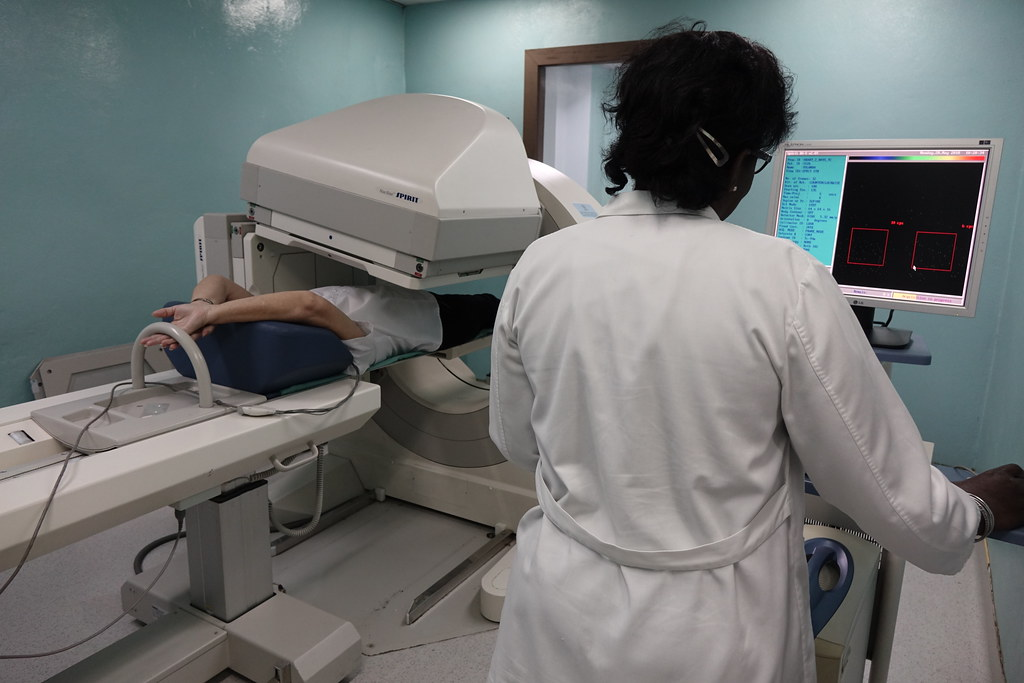
Heart health is a key area of focus in modern healthcare. Innovations in nuclear medicine have transformed how medical professionals monitor and support cardiovascular health. By leveraging advanced imaging techniques, this specialized medical field continues to enhance patient outcomes and offer new opportunities for the early detection and management of heart diseases.
Nuclear Medicine in Cardiology
Small amounts of radioactive material are used in nuclear medicine to diagnose and treat various conditions. In cardiology, it helps doctors see the heart’s structure, blood flow, and functionality in exceptional detail. Unlike traditional imaging methods, it focuses on evaluating bodily functions, providing health practitioners with a comprehensive picture of how the heart functions under both normal and stress-induced conditions.
Applications in Heart Health
Nuclear medicine has a range of valuable applications in monitoring heart health, including identifying blood flow issues and detecting heart damage. These techniques provide detailed insights to help guide effective treatment plans.
- Stress Tests: Cardiac stress tests with nuclear imaging offer a more detailed examination of how the heart functions during physical exertion. By revealing areas of the heart with poor blood flow, this method is instrumental in assessing the risks associated with coronary artery disease.
- Myocardial Perfusion Imaging (MPI): MPI is another tool that examines blood flow to the heart muscle both at rest and during stress. It is often used to detect blockages or previous damage caused by a heart attack.
- Positron Emission Tomography (PET): PET imaging for the heart is a more advanced technique that offers superior clarity, making it suitable for assessing complex cardiac cases or identifying early warning signs.
These imaging techniques can guide treatment plans, monitor their effectiveness, and help predict possible complications. They provide valuable insights that enable healthcare professionals to make informed decisions, leading to improved patient outcomes.
Common Benefits for Patients
The detailed imaging provided by nuclear medicine offers numerous benefits for individuals with heart health concerns. Unlike traditional cardiac diagnostic methods, nuclear medicine imaging is a non-invasive approach, minimizing discomfort and reducing potential risks for patients. By evaluating the heart’s function in real-time, it provides personalized insights that enable doctors to tailor treatments to meet each patient’s unique needs, resulting in more effective care.
These techniques excel in early detection, often identifying abnormalities in their earliest stages. This early identification significantly increases the chances of successfully treating conditions before they progress, offering patients a better outlook for their heart health. By catching problems early, doctors can create more effective and personalized treatment plans for patients.
Advancements in Nuclear Medicine
A common concern for many patients is whether these procedures are safe. While the process does involve radiation exposure, it is minimal and carefully controlled within medical guidelines. The benefits of these diagnostic and treatment tools usually far outweigh any associated risks.
Ongoing advancements are also enhancing its role in cardiology. New technologies are focusing on improving imaging precision, incorporating AI for predictive analysis, and further reducing radiation doses. Through these innovations, the field is continuously evolving to offer safer and more accurate solutions for heart health monitoring.
Stay Proactive With Your Heart Health
This field of medicine can offer life-changing insights into heart health, enabling early detection and better management of cardiovascular conditions. If you are managing a heart condition or looking to assess your overall heart health, consider how these imaging techniques could benefit you.

