

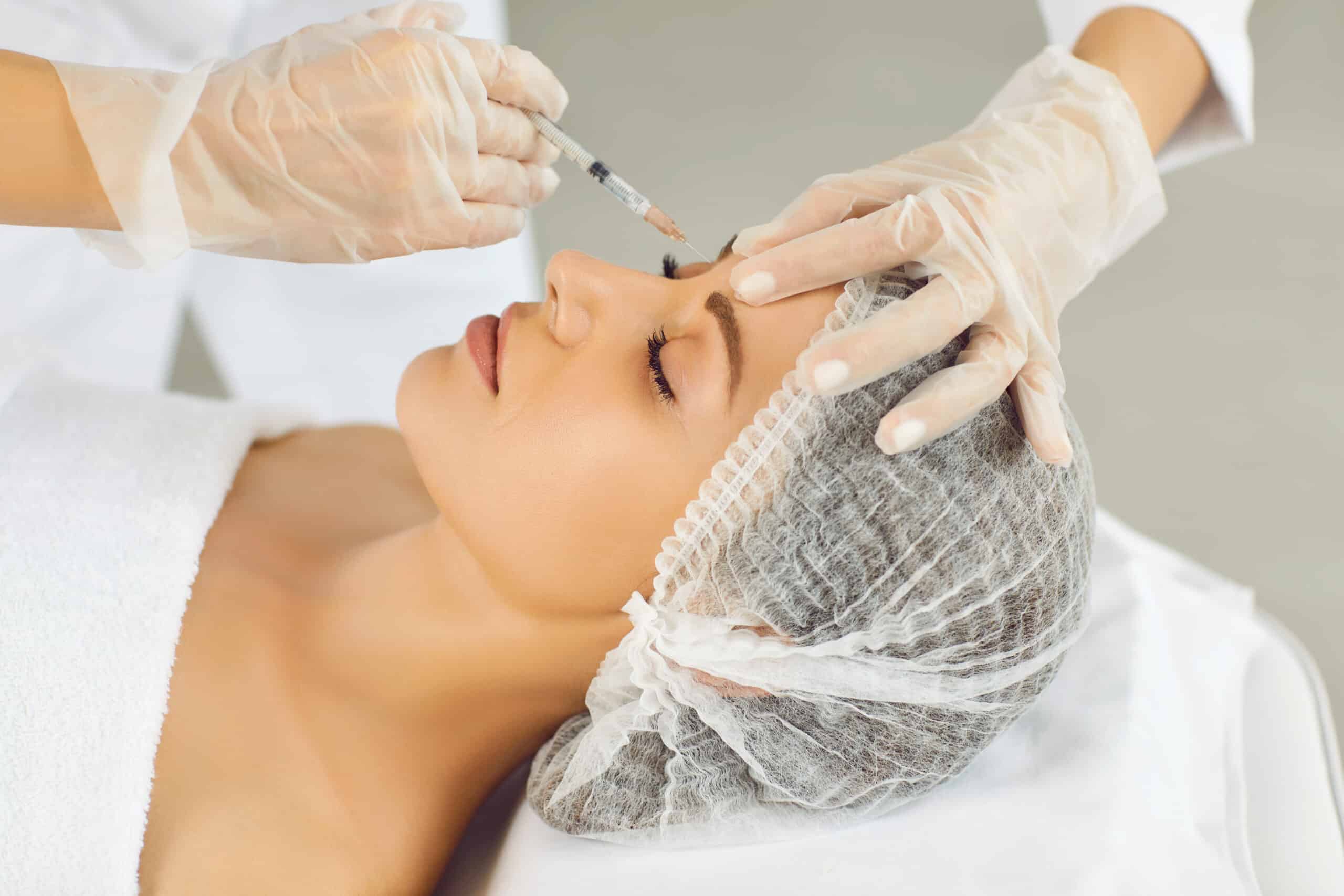
Dermal fillers are gel-like substances injected beneath the skin to help restore lost volume, smooth lines, or enhance facial contours. These injectable treatments are an option for addressing signs of aging without surgery. Fillers are composed of substances like hyaluronic acid, which naturally occurs in the body, and they work by plumping the treated area to diminish the appearance of wrinkles and folds. Here are some treatments you can combine with dermal fillers:
Getting Laser Treatments
Combining dermal fillers with laser treatments can address different skin concerns simultaneously. Laser therapies use focused light energy to target the skin’s surface or deeper layers. Ablative lasers remove thin layers of skin and are often chosen by those seeking changes in skin texture or pigment. Non-ablative lasers heat the underlying tissue without damaging the top layer, promoting gradual improvements in skin tone, firmness, and texture.
Laser treatments address concerns such as sun damage, uneven skin tone, and visible blood vessels. When fillers are combined with these procedures, it is possible to address skin at multiple levels: surface irregularities with lasers and volume loss beneath the skin with fillers. Receiving laser treatments before fillers is a standard suggestion, as laser energy might impact the placement or longevity of the filler if used too soon after an injection session.
If fillers are placed first, a provider may recommend waiting before scheduling a laser procedure. The interval between sessions supports optimal healing and helps reduce the risk of complications. Providers may also adjust the treatment plan based on the type of filler used and the specific laser technology involved.
Scheduling Microneedling
Microneedling is another procedure used in tandem with dermal fillers for a more thorough approach to skin rejuvenation. This treatment involves applying a device equipped with fine, sterile needles across the skin to create tiny, controlled punctures. These micro-injuries encourage the body to start a natural repair process, leading to the development of new collagen and elastin fibers. This may improve the texture and firmness of your skin by reducing the appearance of scars, pores, and an uneven skin surface.
The order and spacing of microneedling and filler appointments are discussed during a consultation. Microneedling is usually performed before administering fillers. This helps protect the placement and shape of the filler, as the device might disrupt areas that have already been injected. If you have recently received a dermal filler, you might be asked to wait before starting microneedling; this gives the filler time to settle and integrate with the surrounding tissues.
Using Botox
Botox and dermal fillers are often combined to address a wider range of aesthetic concerns. While dermal fillers add volume beneath wrinkles and folds, Botox targets lines caused by repeated facial expressions. These “dynamic wrinkles” include forehead lines, crow’s feet, and frown lines between the eyebrows. The formulation is injected into facial muscles, temporarily relaxing them and softening the appearance of wrinkles. A coordinated approach is possible within the same appointment or across several sessions. A provider might inject Botox where facial movement contributes to wrinkles and use fillers in regions with hollowing or volume loss. Combining treatments allows for attention to static lines, dynamic wrinkles, and symmetry in a single plan.
Learn More About Dermal Fillers
Dermal fillers support a refreshed appearance by restoring volume and smoothing lines. When paired with laser treatments, microneedling, or Botox, treatments work together to address several skin concerns. The sequence and timing of these procedures are customized for comfort, safety, and satisfaction with the process. To explore these options or learn about how different treatments align with your goals, schedule a consultation at an aesthetics clinic today.

