

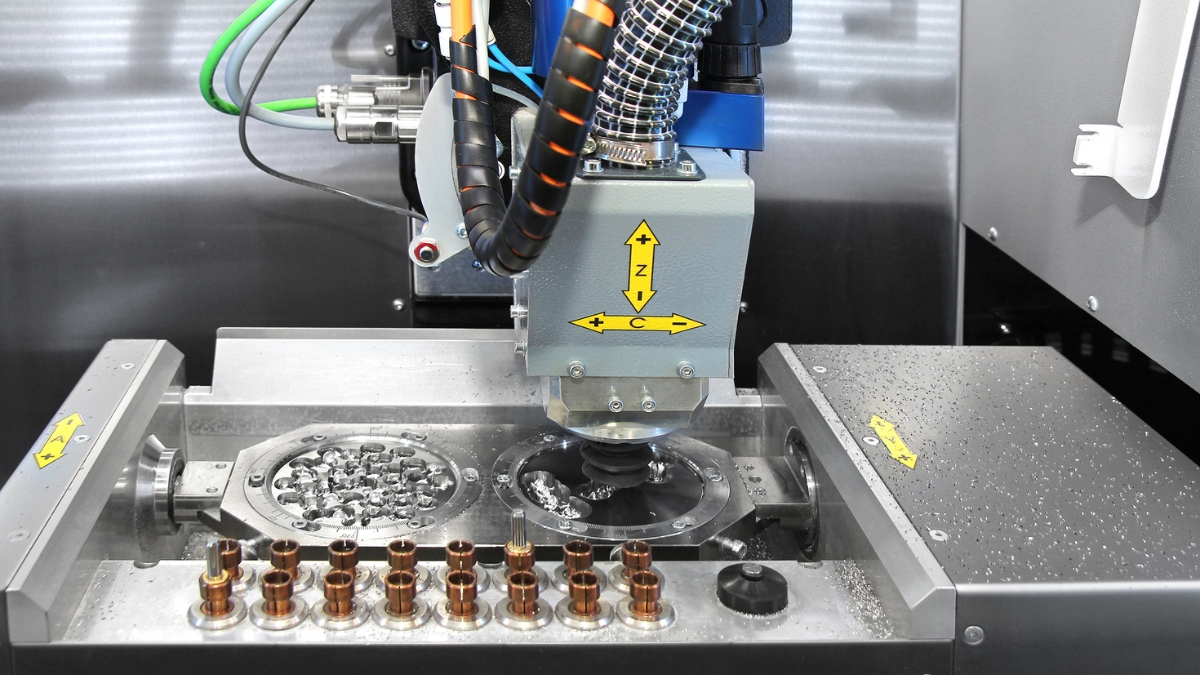
In modern manufacturing, achieving ultra-fine and consistent particle sizes is critical. Industries like pharmaceuticals, chemicals, and advanced materials rely on advanced engineering solutions to meet these demands. One of the most effective solutions available today is Jet mills, which provide precise size reduction while ensuring product purity and efficiency.
What Are Jet Mills?
Jet mills are advanced milling machines that use high-velocity compressed air or gas to break down particles. Unlike conventional grinders, jet mills do not use mechanical components such as blades or hammers for grinding. Instead, they rely on particle-to-particle collisions, resulting in finer powders with minimal contamination.
This unique design makes jet mills highly valuable in industries where precision and cleanliness are non-negotiable.
Benefits of Jet Mills in Industrial Applications
- Ultra-Fine Particle Size – Capable of achieving micron and sub-micron particle sizes.
- Reduced Contamination – With no grinding media, the risk of contamination is nearly eliminated.
- Energy Efficiency – Optimized for high throughput with lower energy consumption.
- Scalability – Useful for both laboratory testing and full-scale industrial production.
- Product Integrity – Maintains chemical stability and prevents unwanted material changes.
Key Industries Using Jet Mills
- Pharmaceuticals – For producing fine powders that improve drug absorption and effectiveness.
- Chemicals – In pigments, coatings, and catalysts where uniformity is essential.
- Food Processing – Used for spices, additives, and fine powders with food-grade safety.
- Minerals & Ceramics – To refine powders for ceramics, paints, and specialty materials.
Each industry benefits differently, but the common factor remains precision and quality control.
DP Mills: A Leader in Precision Milling
DP Mills has become a trusted name in the field of industrial size reduction. Their expertise spans across multiple milling solutions, including jet mills, hammer mills, pin mills, and air classifier mills. By focusing on quality craftsmanship and technological innovation, DP Mills ensures that businesses can achieve maximum efficiency and product consistency.
With decades of experience, the company continues to push boundaries in industrial engineering, offering tailored solutions for diverse applications.
Comparing Jet Mills with Other Milling Technologies
While jet mills are ideal for ultra-fine applications, industries often compare them with other solutions:
- Hammer Mills – Best for coarse grinding but less precise.
- Pin Mills – Effective for medium-fine grinding but not as clean as jet mills.
- Air Classifier Mills – Provide versatility but may involve higher maintenance.
Jet mills stand out for their ability to create ultra-fine particles with high purity, making them indispensable in specialized sectors.
The Future of Milling Technology
The demand for cleaner, more efficient, and more sustainable milling solutions is growing. The future of jet mills and precision milling will likely include:
- Automation and AI integration for real-time monitoring.
- Eco-friendly energy systems to reduce the carbon footprint.
- Enhanced material compatibility to expand industrial applications.
Companies that adopt these advancements early will gain a significant competitive advantage.
Conclusion
Precision milling is no longer just about reducing particle size—it’s about delivering consistency, efficiency, and product safety. With the rise of jet mills, industries now have access to a clean, precise, and highly efficient solution for fine powder production. Companies like DP Mills continue to innovate in this space, ensuring that manufacturers can meet modern demands with confidence and reliability.

