Non-Surgical Treatment Options for Knee Pain
Dealing with knee pain can affect daily activities and mobility. Many patients turn to non-surgical treatments to address these symptoms. These approaches help manage discomfort without the need for surgery. Here are a few non-surgical ways to treat knee pain:
Physical Therapy for Knee Recovery
Physical therapy strengthens the muscles around the knee joint, improving support and stability. Therapists design exercises tailored to each condition, including a range of motion activities to enhance flexibility and targeted strengthening exercises for weak muscles. Balance training helps maintain proper movement patterns, reducing stress on the knee and lowering the risk of future injuries.
Anti-Inflammatory Medication Options
Anti-inflammatory medications reduce swelling and pain by targeting inflammation at the injury site. Over-the-counter options such as ibuprofen and naproxen address mild to moderate knee pain. Prescription medications may be used for more severe cases, with types and dosages tailored to the condition.
Topical anti-inflammatory creams work directly at the application site. These options provide localized relief while minimizing systemic side effects. Some patients use these treatments in conjunction with oral medications to manage inflammation and discomfort.
Steroid Injections for Pain Relief
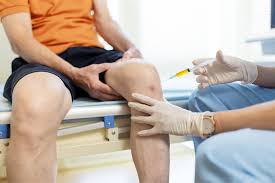
Steroid injections deliver anti-inflammatory medication directly into the knee joint. Board-certified pain specialists perform the procedure using advanced imaging, such as fluoroscopy or ultrasound, to guide needle placement. The injection provides concentrated relief, with effects lasting several months, and some patients receive repeat treatments over time.
Genicular Nerve Blocks
Genicular nerve blocks target specific nerves around the knee that transmit pain signals to the brain. Local anesthetic is injected near these nerves using advanced imaging for precise placement, which interrupts pain transmission and often provides immediate relief. The procedure also helps identify pain sources and can be repeated to manage ongoing discomfort.
Radiofrequency Ablation
Radiofrequency ablation applies heat energy to specific nerves to disrupt the transmission of pain signals. Advanced imaging guides electrode placement to target nerves that carry knee pain. The procedure causes temporary nerve damage, provides relief that lasts from six months to two years, and can be repeated when needed, with minimal recovery time compared to surgery.
Peripheral Nerve Stimulation
Peripheral nerve stimulation uses electrical impulses to interfere with pain transmission. A small device is placed near specific nerves, and trial periods help evaluate effectiveness before permanent implantation. Patients control stimulation levels with external devices, allowing personalized management throughout the day for chronic knee pain.
Advanced Imaging for Accurate Treatment
Modern pain specialists use advanced imaging technology during procedures. Fluoroscopy provides real-time X-ray guidance, while ultrasound offers detailed views of soft tissues. These tools help identify exact anatomical targets for treatment.
Image guidance improves accuracy and reduces risks of nerve or tissue damage. Precise placement of medication or devices enhances effectiveness. The technologies allow specialists to perform procedures with greater control and fewer complications.
Taking the Next Step to Address Knee Pain
Non-surgical approaches can provide relief without the risks associated with surgery. Pain specialists evaluate each patient individually. They develop customized treatment plans based on specific conditions. Multiple treatment options may be combined for optimal results. If knee pain limits your daily activities, a professional evaluation is recommended. Board-certified pain management specialists can assess your condition. They will discuss appropriate treatment options for your specific situation.