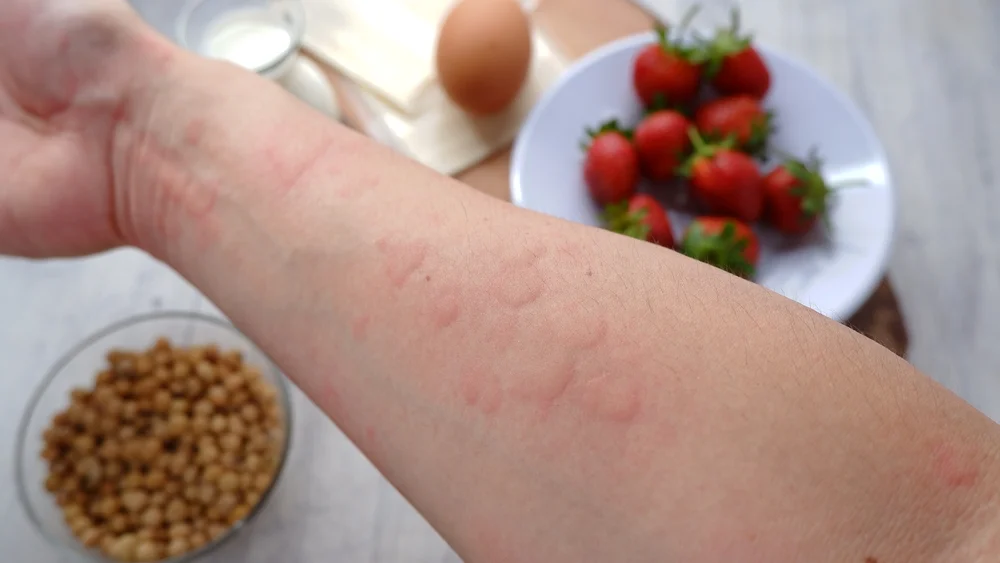
Food Allergies and Their Connection to Skin Conditions
Food allergies affect millions of people worldwide and can manifest through various symptoms beyond digestive issues. The skin serves as one of the primary organs where allergic reactions become visible, creating a complex relationship between what we consume and how our skin responds. Understanding this connection helps individuals identify potential triggers and seek appropriate medical guidance for proper diagnosis and management.
Linking Food Allergies and Skin Issues
The skin responds to food allergies through several distinct reaction patterns. Acute reactions typically appear within minutes to hours after consuming the triggering food. These immediate responses often include hives, which appear as raised, red, itchy welts that can vary in size and shape. The welts may develop anywhere on the body and can migrate from one area to another.
Swelling represents another common acute skin reaction, particularly around the face, lips, tongue, and throat. This type of swelling, known as angioedema, can occur alongside hives or independently. The swelling typically affects deeper layers of skin and mucous membranes.
Eczema flare-ups may also result from food allergies, though this connection requires careful evaluation. Food-triggered eczema often appears as dry, scaly, intensely itchy patches that can become red and inflamed. Unlike hives, eczema symptoms may persist for days or weeks after exposure to the triggering food.
Exploring Common Triggers
Eight foods account for approximately 90% of all food allergic reactions. These major allergens include milk, eggs, peanuts, tree nuts, soy, wheat, fish, and shellfish. Each allergen can produce different skin manifestations in affected individuals.
Milk allergies frequently cause eczema in infants and young children. The reaction may appear as red, scaly patches on the face, particularly around the cheeks and chin. Egg allergies often trigger similar eczema patterns, though hives may also develop. Peanut and tree nut allergies typically produce more severe reactions, including widespread hives and significant swelling. These reactions often develop rapidly and may progress to affect multiple body systems.
Shellfish allergies commonly cause hives and swelling in adults. The skin reactions from shellfish can be particularly severe and may persist for extended periods. Wheat allergies can manifest as both acute hives and chronic eczema. Some individuals experience skin reactions only when wheat consumption combines with physical activity, a condition known as wheat-dependent exercise-induced anaphylaxis.
Identifying Management Strategies
Identifying food allergies requires systematic evaluation by qualified healthcare professionals. Medical history plays a fundamental role in the diagnostic process, as doctors examine the timing of skin reactions relative to food consumption. Skin prick tests represent one standard diagnostic method. During these tests, small amounts of suspected allergens are introduced into the skin through tiny punctures. Positive reactions appear as raised, red bumps within 15-20 minutes.
Blood tests measuring specific IgE antibodies provide additional diagnostic information. These tests can identify sensitivities to particular foods and help guide further evaluation. Elimination diets may be recommended when the relationship between specific foods and skin reactions remains unclear. These controlled diets involve removing suspected trigger foods for a specified period while monitoring skin symptoms.
Find an Allergy Doctor
The relationship between food allergies and skin conditions requires professional medical evaluation for accurate diagnosis and appropriate management. Individuals experiencing recurring skin reactions should maintain detailed records of symptoms, including timing, severity, and potential food triggers. Consultation with allergists or dermatologists provides access to proper testing and treatment options. These specialists can develop personalized management plans that address both the underlying food allergies and resulting skin symptoms.